If you run an accountancy practice, you are sitting on exactly the kind of data that cyber criminals want most. Client bank details. Tax records. Payroll information. National Insurance numbers. Company financial statements. The kind of information that sells quickly on the dark web or unlocks direct access to money. Accountancy firms and cyber attacks are a growing problem, and most practices are less prepared than they think.
Large firms have dedicated IT security teams. But the vast majority of UK accountancy practices are small to mid-sized businesses with between two and fifty staff. They rely on a handful of systems, a shared drive, maybe some cloud software, and an IT setup that has not been reviewed in years. That is exactly the profile attackers look for.
What Makes Accounting Firms Attractive Targets
High-value data in concentrated systems. Accounting practices store vast amounts of sensitive financial information across relatively few systems. A single successful breach can expose hundreds of clients’ financial records in one go.
Trusted communication channels. Accountants regularly exchange sensitive documents with clients via email. Invoices, tax returns, bank statements. Attackers exploit this by impersonating clients or intercepting email threads, often inserting fraudulent bank details into legitimate-looking correspondence.
Seasonal pressure points. January self-assessment deadlines, year-end accounts, VAT returns. These high-pressure periods create the perfect conditions for phishing attacks. Staff are busy, distracted, and more likely to click on something they would normally question.
Smaller security budgets. Most small and mid-sized practices do not have a dedicated IT security function. Cybersecurity is handled by whoever set up the broadband, or it is not handled at all.
Small accountancy firms and cyber attacks
Small and mid-sized firms are targeted precisely because they tend to have weaker security than larger organisations while still holding high-value financial data. Attackers look for the easiest path to valuable information, and a small practice with basic security is an easier target than a large firm with a dedicated security team.
What Is the Most Common Type of Cyber Attack on Accountants?
Phishing and Spear Phishing
Generic phishing emails cast a wide net. Spear phishing is targeted. An attacker researches your firm, identifies staff members, and crafts emails that look like they come from a known client or HMRC. The email contains a link or attachment that installs malware or captures login credentials. During tax season, HMRC-themed phishing emails surge.
Ransomware
Ransomware encrypts your files and demands payment to unlock them. For an accountancy firm, this means losing access to every client record, every tax return in progress, every piece of financial data on your systems. Without proper backup and disaster recovery, the only options are paying the ransom or starting from scratch.
Business Email Compromise
An attacker gains access to a staff member’s email account and monitors conversations. They wait for a payment instruction or invoice, then intercept it and substitute their own bank details. The client sends the payment thinking it is going to your firm. It is not. These attacks are sophisticated and often go undetected until the client chases the payment.
What Should You Do If You Think You’ve Been Attacked?
Disconnect affected devices from the network immediately to prevent the attack from spreading. Contact your IT support provider straight away. Do not pay any ransom demands without professional advice. Preserve any evidence, including suspicious emails and notify your clients if their data may have been compromised. You may also need to report the breach to the ICO.
What Your Practice Should Be Doing
You do not need a six-figure security budget. But you do need the basics done properly.
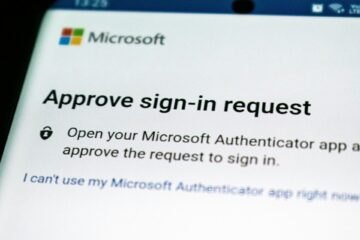
- Multi-factor authentication on every system. Email, accounting software, cloud storage. If a password gets compromised, MFA stops the attacker from getting in.
- Email filtering and threat protection. Stop phishing emails before they reach inboxes. Modern email security catches the majority of threats before anyone sees them.
- Staff awareness training. Your team is the last line of defence. Regular, practical training on spotting phishing emails and suspicious requests makes a measurable difference.
- Endpoint protection. Business-grade antivirus and endpoint detection on every device. Not the free version that came with the laptop.
- Tested backups. If ransomware hits, your backup is your exit strategy. But only if it has been tested and your data can actually be restored.
Does Lift Off IT provide cybersecurity for accountancy firms?
Yes. At Lift Off IT, we provide managed cybersecurity services specifically designed for accountancy practices. That includes endpoint protection, email filtering, multi-factor authentication, staff awareness training, and ongoing monitoring. Combined with our IT support for accountants, we protect both your systems and the sensitive client data they hold.
If your firm’s IT support for accountants does not include these fundamentals, contact us today. And if you do not have dedicated IT support at all, that is the first problem to solve. Our cybersecurity solutions are built around exactly these protections.